
Maintaining your asphalt surfaces is essential for longevity and curb appeal. In Pennsylvania, the fluctuation in weather due to freeze-thaw cycles makes regular sealcoating even more crucial. But how often should you sealcoat your asphalt driveway or parking lot to ensure optimal protection and appearance? Here, we explore the recommended schedule and considerations for sealcoating, tailored specifically for the unique Pennsylvania climate.
The Importance of Sealcoating
Sealcoating acts as a protective layer for your asphalt surfaces, shielding them from the elements, chemicals, and wear-and-tear. This preventive measure not only enhances the visual appeal of your driveway or parking lot but also extends its lifespan significantly.
How Often to Sealcoat Asphalt
The general rule for sealcoating frequency is every 2 to 3 years. However, several factors can influence this schedule:
- Traffic Volume: High-traffic areas, such as parking lots, may require more frequent sealcoating every 2 years to prevent rapid wear.
- Climate Conditions: In Pennsylvania, the freeze-thaw cycles can accelerate asphalt deterioration. Sealcoating during the warmer months, preferably in late spring or early summer, when temperatures are consistently above 50 degrees Fahrenheit, is ideal.
- Existing Condition: If your asphalt is showing signs of wear, such as cracking or fading, it might be time to sealcoat sooner rather than later.
Asphalt Maintenance Schedule
To maintain your asphalt’s integrity, follow a routine maintenance schedule:
- Inspect Annually: Perform visual inspections for cracks and damage annually. Address minor repairs promptly to prevent further deterioration.
- Sealcoat Regularly: Schedule sealcoating every 2 to 3 years, taking into account the factors mentioned above.
- Repair and Patch: Fill cracks and potholes as they appear to prevent water infiltration and further damage.
- Clean Surface: Regularly clean your asphalt surfaces to remove debris, oils, and chemicals that can degrade the sealcoat.
Cost Considerations
Sealcoating is a cost-effective maintenance measure compared to the expenses of full asphalt replacement. The cost varies depending on the size of the area and local labor rates:
- Driveway Sealcoating: Typically ranges from $0.15 to $0.30 per square foot.
- Parking Lot Sealcoating: Depending on the size and condition, costs range from $0.08 to $0.30 per square foot.
For an average driveway, the cost might range between $150 and $500, while a larger parking lot could range from $500 to over $5,000.
Parking Lot Sealcoating Services
Laurel Asphalt provides comprehensive sealcoating services for both residential driveways and commercial parking lots throughout Pennsylvania. Our team ensures quality application using premium materials to enhance the durability and appearance of your asphalt surfaces.
Ready to give your asphalt the protection it needs? Contact us today for a free estimate and to schedule your next sealcoating service with Laurel Asphalt, Pennsylvania’s trusted provider for all your paving needs.
By adhering to a regular sealcoating schedule, you can maximize the lifespan of your asphalt surfaces, maintaining their appearance and functionality despite Pennsylvania’s challenging weather conditions.
When it comes to choosing a surface for your driveway or parking lot in Pennsylvania, the decision often boils down to two popular options: asphalt and concrete. Each material has its own set of advantages and drawbacks, particularly when considering the unique climate challenges of Pennsylvania.
Cost Considerations
One of the primary factors homeowners and businesses consider is cost. Asphalt typically presents a more budget-friendly option initially, costing about 50% less than concrete. For instance, asphalt driveways can range from $1,000 to $2,000 for a 500 sq ft area, whereas concrete ranges from $2,000 to $4,000.
However, while concrete requires a higher upfront investment, it often balances out over time due to its longer lifespan and lower maintenance costs. Concrete driveways can last up to 30 years or more with proper maintenance, compared to asphalt’s 15 to 20 years.
Durability and Weather Resistance
Pennsylvania’s climate, marked by freezing winters and humid summers, plays a significant role in the performance of driveway materials. Asphalt is renowned for its flexibility, making it ideal for areas with freeze-thaw cycles. Its ability to expand and contract helps prevent cracking, a common issue with concrete in cold climates.
On the other hand, concrete is highly resistant to the summer heat and heavy loads, making it an excellent choice for areas with high traffic. However, it is more prone to damage from de-icing salts used during Pennsylvania’s snowy winters.
Maintenance and Aesthetics
Maintenance is another critical factor. Asphalt driveways need to be resealed every three to five years to maintain their appearance and protect against weathering. Although this adds to the ongoing cost, asphalt repairs are generally easier and less expensive than concrete repairs.
Concrete, while more resilient, shows wear and tear more visibly. However, it offers a variety of aesthetic options, including coloring and stamping, allowing for greater customization to match your property’s style.
Environmental Impact
Environmental considerations are becoming increasingly important in construction. Asphalt’s production has a lower carbon footprint than concrete, and it is fully recyclable, making it a more sustainable choice. Concrete, however, is a durable option that requires less frequent replacement, reducing waste over time.
Making Your Decision
Ultimately, the decision between asphalt and concrete should be based on your personal preferences, budget, and the specific needs of your property. If you prioritize a lower initial cost and easier repairs, asphalt might be your best bet. However, if you are looking for a long-lasting, aesthetically versatile option that can withstand heavy loads, concrete could be the way to go.
For a detailed consultation and a free estimate on your project, visit Laurel Asphalt’s Contact Us page. At Laurel Asphalt, we are committed to providing the best solutions for your paving needs, backed by years of experience and a dedication to customer satisfaction.
Remember, whether you choose asphalt or concrete, the right driveway or parking lot can enhance your property’s curb appeal and value. Choose wisely, and you’ll enjoy a beautiful, functional surface for years to come.
Winter Damage to Asphalt and How to Fix It
Winter can be a challenging time for asphalt surfaces, particularly in Pennsylvania, where the weather can be unforgiving. Understanding how winter weather affects asphalt and knowing how to address the damage can prevent costly repairs and extend the life of your pavement. In this comprehensive guide, we’ll explore common winter-related issues and provide actionable solutions for maintaining your asphalt surfaces.
How Winter Weather Affects Asphalt
Freeze-Thaw Cycles
One of the most significant threats to asphalt in winter is the freeze-thaw cycle. When water seeps into cracks in the asphalt and temperatures drop, the water freezes and expands. This expansion can widen existing cracks and create new ones, leading to a breakdown of the asphalt’s structural integrity.
Read the rest of this entry »Choosing the right asphalt company is crucial for any paving project, whether you’re looking to improve a driveway, parking lot, or a large commercial area. When making such an important decision, it’s essential to be informed and prepared. Here are some key questions to ask before hiring an asphalt company, ensuring you select the best provider for your needs.
1. What Experience Does the Company Have?
Experience is a vital factor in determining the quality and reliability of an asphalt company. Ask about the company’s history, including how long they have been in business and the types of projects they have completed. A company like Laurel Asphalt has a proven track record in Pennsylvania, offering a wide range of services from commercial paving to sealcoating.
Read the rest of this entry »Choosing between asphalt and concrete for your next paving project isn’t just about appearance—it’s a decision that affects your budget, timeline, and long-term maintenance needs. At #NAME#, we help homeowners, businesses, and municipalities in Windber, PA, weigh the pros and cons of each option so they can invest in surfaces that last. From driveways and private roads to walkways and industrial yards, knowing the differences can save time and money down the line.
If you’re wondering which paving material is right for your next project, this guide will walk you through everything you need to know about asphalt vs. concrete. Each surface has its strengths, and understanding them helps ensure your decision fits your goals and your environment.
Need advice on your upcoming paving project? Contact us online or call #PHONE1-NUMBER# to speak with a paving professional near Windber, PA.
Cost and Installation Time
Asphalt is generally more budget-friendly upfront than concrete, making it a go-to choice for many projects in and around Windber. It’s quick to install and can often be completed in just a few days. Concrete has a higher initial cost and takes longer to cure, but it may provide greater longevity with fewer resurfacing needs in the long run.
If you’re working on a tight timeline or budget, asphalt may be the better option—reach out today to compare estimates.
Performance in Pennsylvania’s Climate
Windber winters are no joke, and freeze-thaw cycles can wreak havoc on paved surfaces. Asphalt is more flexible and better able to withstand temperature changes, which helps prevent cracking and damage in cold weather. Concrete can still perform well but may require additional care to prevent cracking or scaling during harsh winters.
Concerned about how weather impacts your pavement? Ask us about the best material for your Windber property.
Maintenance and Repairs
Both asphalt and concrete require regular maintenance, but the type and frequency are different. Asphalt should be sealcoated every few years to maintain its surface and extend its life. It’s also easier and more affordable to repair. Concrete, while more durable over time, is harder and more expensive to fix if it cracks or becomes stained.
We provide ongoing maintenance services throughout Windber, PA, to help you protect your investment no matter which material you choose.
Aesthetic Appeal and Customization
Asphalt offers a smooth, dark surface that gives a clean and consistent appearance. Concrete can be finished in various textures and even colored or stamped for a custom look. If you’re paving a space where design matters—like a residential entrance or decorative walkway—concrete may offer more visual flexibility.
Not sure which look fits your property? Let our team help you decide based on your goals and budget.
Lifespan and Long-Term Value
Concrete surfaces can last 30–40 years with proper care, while asphalt usually lasts 20–25 years. However, asphalt’s repairability and low cost for upkeep can make it a smart choice for those who prefer more manageable, phased maintenance. The right choice depends on how much traffic your surface will see and how you prefer to manage wear and tear over time.
Still weighing your options? Schedule a free consultation to compare paving solutions in Windber, PA.
Final Thoughts
There’s no one-size-fits-all answer when choosing between asphalt and concrete. The right material depends on your location, project type, visual preferences, and long-term maintenance goals. At #NAME#, we’ve worked with clients all over Windber and Somerset County to pave roads, driveways, sidewalks, and more using the most practical materials for their needs.
For a free estimate, contact us online or give us a call at #PHONE1-NUMBER# today!
Frequently Asked Questions
Is asphalt or concrete better for residential driveways?
Asphalt is often preferred for residential driveways because of its affordability and fast installation. Concrete offers a more polished appearance and may last longer but comes at a higher upfront cost.
Can either material be installed in cold weather?
Asphalt typically requires warmer temperatures to install properly. Concrete can be poured in cooler weather but needs extra care to prevent damage from freezing during the curing process.
Which is more environmentally friendly?
Both materials are recyclable. Asphalt is often considered more eco-friendly because it can be reused more easily and has a smaller carbon footprint during production.
How do I know if my existing surface needs replacement?
If your current surface has widespread cracking, drainage problems, or structural damage, it may be more cost-effective to replace rather than repair. We offer on-site evaluations to help you decide.
Do you offer both asphalt and concrete paving in Windber, PA?
Yes! #NAME# provides both asphalt and concrete paving solutions across Windber and nearby areas. We’ll help you choose the best material for your unique needs.
What Does A Good Asphalt Paving Job Look Like?

Key Takeaways:
- A good paving contractor will ensure proper thickness, use compaction techniques, and provide a smooth surface.
- Water drainage and edge restraint are essential considerations for successful asphalt paving.
- Detailed aspects and measurements must be taken into consideration for longevity and durability.
- If you’re looking to hire a reputable paving contractor, make sure to research and ask for references.
You have decided to have your driveway or parking lot asphalt paved, and now you are wondering what a good paving job looks like. Not everyone is an expert in asphalt paving, so what should you be looking for to ensure a job well done?
Here at Laurel Asphalt, we believe a few key elements make for a successful asphalt paving project. Let’s see.
How to Know Your Asphalt Paving Was Good?
It can be difficult to know if your newly laid asphalt pavement job was done well when you’re not an expert. But fear not; we’re here to provide you with some key indicators of a good paving job.
1. Stable foundation
Foundation work in asphalt paving is crucial for long-term durability and stability. This includes compacting the subgrade, removing debris and roots, and adequately placing a base layer before paving. Without this integral factor, your asphalt pavement will not hold its integrity, and you can expect it to crumble and crack sooner rather than later. A compacted rock base and smooth, even asphalt surface are tell-tale signs of a solid foundation.
2. Pavement thickness
The thickness of the overlay can decide many things for your pavement. For starters, it directly affects its longevity and how well it can handle heavy traffic and weight. A thicker asphalt overlay also contributes to a smoother driving surface, which has some perks.
Consider its expected weight and traffic when deciding how thick to overlay your asphalt. To check if your paving contractor has done an excellent job, check your overlay to be between 2 and 4 inches thick, depending on the expected stress.
3. Water drainage
Standing water can lead to cracks and potholes in asphalt, so proper drainage is crucial for a good paving job. If the paving contractor has done well, you should see a slight slope to the asphalt surface, allowing water to run off efficiently. You can incorporate drainage systems under the asphalt to ensure proper water management with advanced techniques. And remember, it’s not just about saving your pavement from water but also about keeping the surrounding environment safe.
4. Edgework
A smooth transition is vital for a successful asphalt paving job, and that’s where edge work comes into play. This refers to how the edges of the asphalt meet with adjacent surfaces, such as concrete or curbs. The edges should be neat and precise, with no jagged edges sticking out. This incredible display of work says a lot about your asphalt pavement which now looks like a professional, well-put-together masterpiece.
5. Quality materials
Another aspect of a successful asphalt paving job is the quality of materials used. Using low-quality materials can lead to cracks, holes, and overall deterioration of the asphalt much sooner than expected. To ensure a stable paving job, always choose high-quality materials. You can inspect or inquire with your paving contractor about the materials they plan on using before starting the work or where they plan on sourcing them.
6. Using proper mix designs
Not all asphalt mix designs are created equal. Different mix designs have varying levels of durability and resistance to various weather conditions, traffic, and weight. Working with a paving contractor who is experienced and knowledgeable in selecting the appropriate mix design for your specific project needs is essential.
7. Details and measurements matter
Good asphalt paving involves precise measurements and attention to detail. This includes correctly measuring the thickness of the asphalt layers, accurately calculating the width and length of the pavement, and properly compacting the asphalt to ensure a sturdy and long-lasting finish. Once your asphalt pavement is complete, a smooth surface and clean edges are important indicators of quality work.

How to Hire a Good Paving Contractor?
You can do a few things before hiring a paving contractor to ensure you’re getting a quality job.
Check the contractor’s experience
Experience can’t be faked, so make it your duty to see how much experience your contractor has. You can ask them, check their website, or even ask for references from previous customers. Remember, the more adept and experienced they are, the better job they’ll do. So don’t get yourself mesmerized with only the lowest bid.
Check the contractor’s license and insurance
Checking if your paving contractor has proper licensure will help you choose a credible company and save you from potential fraud. You should also ensure that they have insurance, as it protects you and the contractor from any accidents or damages during the paving process. Now you will not be held liable for any accidents on the worksite.
Inquire about the materials they plan on using
Asphalt is not a one size fits all material. The type and quality of asphalt being used can significantly affect the longevity and durability of your pavement. Furthermore, the mix, thickness, and compaction of the asphalt affect how long your pavement will last. These characteristics also differ from client to client. For example, suppose you want your residential driveway to last 20 years. In that case, the asphalt mixture and compaction may be different than if you were paving a heavily trafficked road or commercial parking lot.
Check or ask for references
Just like any job, make sure you check out the paving contractor’s past work and references. Ask around your community for recommendations, and look for online reviews. A good paving contractor will have a solid reputation and a portfolio of successful projects.
Ending Note:
A good asphalt paving job should have a smooth surface, proper drainage and compaction, and longevity. Follow our tips and trust your gut to find a reliable contractor who will give you the best results for your project.
Speaking of a good contractor, Laurel Asphalt, serving Ligonier, PA, can get the job done right! We excel in residential and commercial asphalt paving and have been in business for over 25 years. Our experts follow a strict quality assurance program and only use top-notch materials for every project. Contact us for a free estimate today!

Key Takeaways:
1. Asphalt paving and compaction are vital factors in ensuring the winter durability of roads, parking lots, and other paved surfaces.
2. The myths, such as cold weather affecting asphalt paving or compaction, are – myths.
3. Understanding the processes of asphalt paving and compaction will help ensure that your roads and parking lots are safe and durable all year round.
4. Hire only the best paving contractors to ensure that your asphalt paving and compaction are correctly and effectively done.
With that sense of urgency and worry on the minds of many asphalt paving contractors (as well as homeowners), one big myth continues to persist – that winter weather is detrimental to pavement durability. But the truth is that your pavement can survive even the harshest winters with proper asphalt compaction techniques and winter-specific paving methods.
Laurel Asphalt is here to discuss some common myths about asphalt paving and compaction in winter and how they are only partially related.
Let’s look at some common asphalt compacting myths in winter.
1. Asphalt paving is a cold weather activity
One of the most typical myths about asphalt paving is that it can only be done in cold weather. This is not true. Asphalt can be paved in various weather conditions, including hot and humid weather, as long as the temperature is around 50 degrees Fahrenheit. However, with other specialized methods, some paving contractors can even lay asphalt in much colder temperatures.
2. Winter asphalt paving is more complicated than summer asphalt paving
While it is true that winter asphalt paving can be more challenging than summer asphalt paving, it is not necessarily more complex. Cold weather can make it more difficult to achieve the proper compaction of the asphalt. Still, with the appropriate equipment and techniques, winter asphalt paving can be just as successful as summer asphalt paving. The use of additives that help maintain the viscosity of the asphalt in cold temperatures can also make winter asphalt paving more manageable.
3. Winter asphalt paving is more expensive than summer asphalt paving
The cost of winter asphalt paving is typically the same as the cost of summer asphalt paving. The main difference is that winter asphalt paving may require special equipment, such as heated screeds, to achieve the proper asphalt compaction. However, that’s not your headache, as you can quickly leave it to your paving contractor.
4. Winter asphalt pavements are more likely to crack than summer ones
Cracking is a common issue with all types of pavement regardless of the season it was paved. However, winter pavements are not necessarily more likely to crack than summer pavements. Properly constructed and maintained winter pavements can be just as durable as summer pavements. When it comes to asphalt compaction in winter, you must be wary about using the wrong equipment or techniques, which can lead to cracking and other durability problems.
5. Winter asphalt pavements require less maintenance than summer asphalt pavements
All types of pavement require regular maintenance to stay in good condition. Winter pavements are no different and should be inspected and repaired regularly, just like any other type of pavement. Care is an essential factor that follows asphalt paving, no matter which season you’re talking about. Each kind of weather requires a certain degree of maintenance that cannot be overlooked.
For instance, during monsoon season, when the roads are often wet and slippery, applying a layer of sand or salt is essential to help reduce the risk of accidents.
Some Best Practices for Asphalt Compaction during Winter
Temperature maintenance for asphalt
When it’s colder, you must ensure that your asphalt is delivered to the paving site at temperatures above freezing. The asphalt temperature should be maintained at the recommended range’s higher end. Your paving contractor must make it a habit to use insulated beds, tarps, and heaters on delivery trucks to keep the asphalt warm until it is ready to be laid down.
Maintaining continuous speed
In Greensburg, PA (where winters can be harsh and lethal), you have to make sure that your asphalt is laid down at a continuous speed and smoothly. The asphalt tends to cool quickly when not moving, so keeping the paving machine on the move is essential. Otherwise, when it comes time for compaction, you will find that the asphalt needs to respond better, and some voids can be seen in your finished project.
Increase the mat thickness
Laying and asphalt compacting in thinner, multiple layers can help to increase the overall durability of your asphalt paving. This is because you can establish a more robust and continuous base layer that will withstand the elements and heavy loads better. Additionally, by spreading out the asphalt over multiple layers, you will be able to ensure that it is uniformly and quickly compacted.
Optimum density in a shorter time
Another critical factor to consider when paving your asphalt is the density of the asphalt. Achieving optimal density in a shorter time can help ensure that your asphalt paving can withstand heavy traffic loads and the elements. This is often accomplished using a paving contractor with specialized equipment, such as large-sized roller compactors that can evenly and quickly compact the asphalt layer.
Warm mix additives
Paving contractors often need to consider the benefits of using warm mix asphalt. Using warm mix additives can help improve your asphalt’s durability and performance by maintaining the temperature at as high as 170 degrees Fahrenheit while also reducing the amount of fuel required to produce it.

Ending Note:
The winter season is one of the most challenging times for asphalt paving. However, by understanding the fundamental principles behind asphalt compaction and using a paving contractor with specialized equipment, you can ensure that your asphalt paving projects are durable and perform well even in the harshest winter conditions. Leave your worries in the hand of a professional paving contractor who knows what they’re doing.
Paving Contractor in Greensburg, PA!
Laurel Asphalt, serving Greensburg, PA, is your ultimate source for high-quality asphalt paving, maintenance, and repair services. With specialized equipment and years of experience, we are committed to delivering exceptional results that will stand the test in even the harshest winter conditions.
Whether it’s a private driveway, major road, or highway, we know the proper techniques and materials to ensure that your paving project is durable, long-lasting, and performs sound year after year. So why wait?
Get in touch or get a free estimate now.
Key Takeaway:
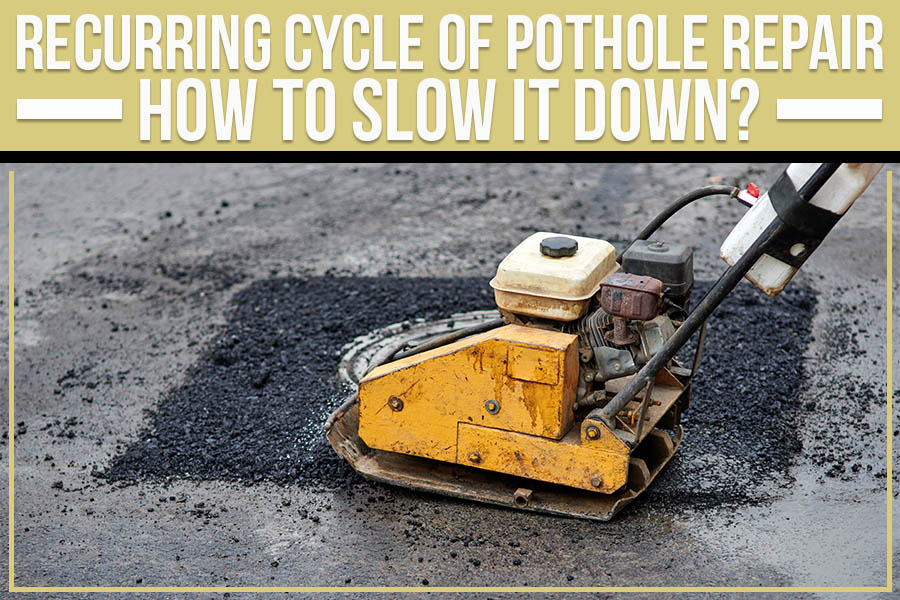
- Potholes form from water seepage, heavy machinery, and tree roots.
- Potholes can cause damage to your vehicle and be expensive to repair.
- You can prevent them by maintaining your asphalt parking lot and ensuring proper drainage.
- Asphalt repair is a temporary solution, and the best way to fix potholes is to address the root cause of the problem.
- Hire a professional asphalt pavement contractor to help maintain your parking lot and prevent potholes from forming. Request a free quote today!
Do you have a driveway or parking lot? If so, you know that potholes can be a big problem. They can cause damage to your property and your vehicle and make it hard to get around. On top of that, they are a recurring problem for home and business owners alike.
You’re likely familiar with the recurring problem of potholes. You patch them up, only for them to reappear a few weeks or months later. So, what is this recurrent cycle, and is there anything that can be done to slow it down? Laurel Asphalt offers a guide on the recurring problem of potholes and what steps you can take to solve them for good.
What are Potholes, and How are They Formed?
Potholes are a problem that dates back to the 15th and 16 centuries. You could say that with the creation of roads, they also came into existence. Pottery makers at the time would often dig up roads to get to the rich clay underneath. They were given the name by teamsters of coaches and wagon drivers in the U.K.
Today, potholes refer to depression in road surfaces. Although no pottery makers dig up the ground to get clay, they are formed due to natural causes. Potholes form when water seeps into small cracks in the pavement. This water then freezes and expands during cold weather, which causes the cracks to grow larger. When cars drive over these cracks, they widen and deepen, eventually forming a pothole.
Potholes can have different sizes and shapes. While they may seem minor, potholes can cause severe damage to your car. They can bend rims, shatter tires, or even break axles and be a significant threat to your vehicle suspension. In addition, potholes can cause accidents. U.S. Drivers face $3 billion worth of damages every year due to it.
Why Do They Keep Coming Back?
If you have owned a parking lot or driveway for a long time, you might know how stubborn potholes can be. No matter how many potholes repairs you get, they always come back. You could say potholes aren’t problems but symptoms of significant issues in your driveways and parking lot. Here are some of the causes which result in their formation.
1. The Weather
Water is the main culprit behind the formation of potholes. When water seeps into cracks on the pavement surface, it expands and weakens the ground beneath the asphalt. It makes it more susceptible to breaking and forming potholes when vehicles drive over it.
2. Poor Drainage
If a parking lot or driveway doesn’t have proper drainage, water will pool on its surface. It can lead to the formation of potholes over time.
You could consider having a paving contractor look at your property to assess the drainage and make recommendations for improvement.
3. Lack of A Seal Coat
Seal coating is a preventative measure that helps protect asphalt from damage caused by water, U.V. rays, and chemicals. Without it, pavements are more likely to develop cracks and potholes.
Now might be a good time if you haven’t had your pavement seal coated in a while. A professional paving contractor can help determine if seal coating is suitable for your property.
4. Heavy Traffic
The more vehicles that drive over pavement, the more wear and tear they will experience. It could also result due to constant parking of heavy-duty vehicles. It can eventually lead to the formation of cracks and potholes.
5. Tree roots
Tree roots can also cause potholes. As trees grow, their roots push against the pavement, causing cracks to form. Over time, these cracks get bigger and turn into potholes.
Although tree roots can be removed for a quick time, fix, they can eventually grow back, leading to recurring pothole formation.
How To Solve Recurring Potholes?
You can always fix potholes with simple asphalt paving, which can patch them up.
Pothole repairs can be costly either you solve the problem yourself or hire a pavement contractor. Here are some ways that can help keep your driveways and parking lots free from potholes for a long time:

1. Seal Coating Is Best for Winter
Winter is coming. And with it, the freezing and thawing of water create havoc on your pavement. But you can minimize the effects by seal coating your parking lot or driveway before winter sets in. It will help to fill any existing cracks and prevent new ones from forming.
The seal coat will form a barrier between the asphalt and the external environment, making it hard for water and debris to seep in, keeping your asphalt safe.
2. Asphalt Maintenance is Key
The problem with asphalt is that it requires maintenance to keep it in good condition.
The best way to keep your asphalt in tip-top shape is to have it professionally cleaned and sealed every two to three years.
You can do this yourself, but it’s best to leave it to professionals with the right equipment and know-how to do a good job. You will be free from asphalt repairs for years to come with proper maintenance.
3. Reducing Factors That Result in Problem
As potholes occur due to poor drainage, heavy vehicle, machinery, tree roots, etc., a great way to fix problems is to focus on repairs and fixing the causes.
You could limit heavy-duty machinery in your parking lot and remove tree stumps near them to reduce the chances of pothole formation. For solving issues relating to water, a proper seal coat and asphalt surface inspection can help fix the problem.
Also Read: Your Concise Guide to Utility Potholing
Conclusion
Potholes are a problem we all face. But by taking the proper measures, you can quickly fix them and even prevent their re-occurrence. Asphalt repair might seem like a pain, but with the appropriate guidance, it can be done smoothly!
If you’re in Mt. Pleasant, PA, and facing pothole issues, consider contacting us. At Laurel Asphalts, we have professionals that can not only offer pothole repairs but can help with pothole-related other problems.
We can level your parking lot or driveway surface through top-of-the-line residential and commercial asphalt paving. You can also get a high-quality seal coat on your asphalt pavement from us.
Get in touch with us for a free estimate on your asphalt project.
How Do I Make My Asphalt Parking Lot ADA-Compliant?
Key Takeaways:
- The ADA is a set of civil rights laws that safeguard individuals with disabilities from discrimination.
- The ADA also requires businesses and other organizations to provide appropriate accommodations to individuals with disabilities.
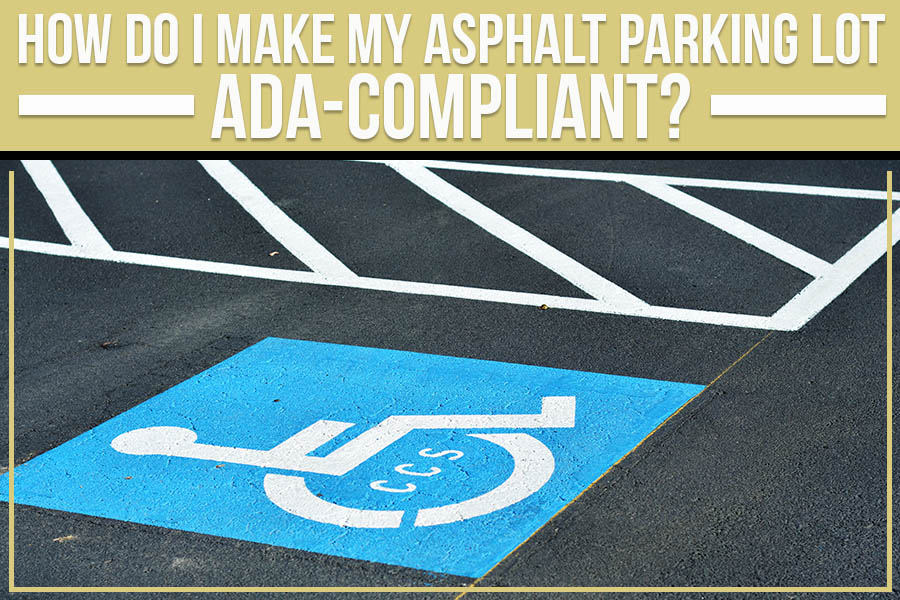
- To make an asphalt parking lot ADA-compliant, you will need to designate a certain number of handicap-accessible parking spaces and install signage indicating the location of these spaces.
- Parking lots must be level to meet ADA requirements.
- Use a laser level to check for irregularities.
- A non-slip surface is important for safety and will make the parking lot easier to maintain.
- Accessible parking spots should be near the property entrance and indicate that only handicapped individuals can park there.
- You will also need at least five feet of space on either side of the spot for wheelchair users. This is so people can easily get in and out of their cars.
Making an asphalt parking lot ADA-compliant can seem daunting, but it doesn’t have to be. We’ll explain everything to make your parking lot accessible for all. We will cover handicapped parking spaces, surfaces, and signage. We will also discuss the ADA and what it means for business owners. By following our guidelines, you can make your asphalt parking lot ADA-compliant and ensure everyone has access to your property!
What to Know about ADA?
The Americans with Disabilities Act represents a set of civil rights laws that safeguard individuals with disabilities from discrimination. The ADA prohibits discrimination against individuals with disabilities in all areas of public life, including employment, education, transportation, and access to public facilities. The ADA also requires businesses and other organizations to provide appropriate accommodations to individuals with disabilities.
To make your asphalt parking lot ADA-compliant, you will need to designate a certain number of handicap-accessible parking spaces, depending on the size of your lot. You will also need to install signage indicating the location of these spaces and provide a smooth, level surface leading from the parking space to the building entrance.
If you have an existing asphalt parking lot that does not meet these requirements, you will need to make some modifications. Here’s what to do:

Level the Ground
The first step to making your asphalt parking lot ADA-compliant is to ensure the ground is level. Uneven pavement can create trip hazards for people with disabilities, so it’s important to ensure that the surface is level and even throughout. You can check for irregularities with a laser level or transit. Once you’ve identified any areas that need to be adjusted, use a power trowel or hand-held tamper to level out the ground.
If there are any large cracks or holes in the pavement, you’ll need to fill them in before proceeding. Use a cold patch material or hot asphalt to fill in defects, and then use a tamper to compact the area. Once the surface is level and smooth, you can paint stripes or markings to designate accessible parking spaces, wheelchair ramps, and other accessible features.
Create a Non-Slip Surface
One way to make your asphalt parking lot ADA-compliant and safer for everyone is to create a non-slip surface. You can accomplish this by texturing the asphalt or adding a seal coat. A textured surface will provide more traction. A seal coat will create a barrier protecting the asphalt from weather damage and wear. Another option is to add a layer of gravel or stone chips to the surface of the asphalt. This will create a non-slip surface that will be durable and easy to maintain.
Have Handicapped Parking Spots Near the Entrance
Ensure to have handicapped parking spots near the entrance of your property. This will ensure that people with disabilities can park close to the building and easily access the entrance. You should also have a sign that indicates that these spots are for disabled individuals only.
If you have a large parking lot, you may consider having a designated handicapped parking area. This area should be close to the building’s entrance and have easy access to sidewalks or ramps. The designated accessible parking area should also have signage that indicates that it is for disabled individuals only.
Make the Parking Spots Wide Enough
Ensure that your parking spots are wide enough. ADA requires that all parking spaces be at least eight feet wide. This may seem like a lot, but achieving this width is not as difficult as you think. You can restripe your parking lot, so the spaces are wider than before. You will also need at least five feet of space on either side of the spot for wheelchair users. This is so people can easily get in and out of their cars.
The Lines Must Be Prominent and Visible
The lines must be prominent and visible so drivers can easily see where they need to park. They also need to be thick enough to be seen from a distance. If the lines are not visible, it will be difficult for drivers to know where to park.
You must paint the lines with a reflective material so they can be seen at night. This is important because many people who have disabilities need to use their car at night.
The lines must be placed in such a way that there is enough space for wheelchair users to get in and out of their cars. The lines must also be placed so wheelchair users can easily access the sidewalk.
How will ADA Compliance Benefit Your Business?
ADA compliance will also benefit your business. Many people with disabilities stay at home because they cannot find businesses accessible to them.
If you make your business accessible, you can tap into a new customer base. People with disabilities have spending power, and they patronize businesses that are accessible to them.
ADA compliance will also make your business more attractive to employees. Many people with disabilities want to work but cannot find employers willing to make the necessary accommodations. To attract the best and brightest employees, you must show that you are an inclusive employer.
ADA compliance shows that you are committed to providing equal access to all of your customers. This can help you attract new customers and keep the ones you already have.
ADA compliance can also help you avoid lawsuits. If someone with a disability is injured on your property because it was not ADA-compliant, you could be sued.
Conclusion
Making your asphalt parking lot ADA-compliant is necessary to ensure that all visitors to your business or facility have equal access to your services. Making these modifications will provide a safe and accessible environment for all.
Check out our blog post about why you need to start fixing potholes.
ADA-compliant parking lots are important for businesses to ensure everyone can access their services. Laurel Asphalt, serving Bedford, is experienced in creating and maintaining ADA-compliant parking lots, making us the ideal company for this type of service. We’ll work with you to create a parking lot that meets all the ADA requirements, ensuring that your business is accessible to everyone.
Get a Free Estimate Today!
Key Takeaways:
- Decorative stamped asphalt is a type of asphalt used for decorative purposes.
- It can be used for hardscapes, driveways, patios, and more.
- There are many benefits to using decorative stamped asphalt, including its durability and ability to withstand weather and wear and tear.
- Ideas for hardscaping include stamping it, staining the asphalt, and using acrylic colors.
- Always choose an experienced pro when it comes to decorative stamped asphalt.
There’s something about decorative and stamped asphalt that makes it appealing for homeowners. Maybe it’s the fact that you can create any pattern or design you want or that it never looks outdated. Whatever the reason, using decorative and stamped asphalt is a great way to add some pizzazz to your hardscape! Here are a few ideas by Laurel Asphalt to get you started.
Why Is Asphalt the Right Choice for Construction & Hardscaping?
Asphalt is a popular choice for construction and hardscaping because it is durable, long-lasting, and easy to maintain. It can also be decorated, stamped, and colored to create any design you want! Asphalt is excellent for driveways, sidewalks, patios, and more.
Advantages Of Stamped and Decorative Asphalt:
Stamped asphalt offers many advantages over other materials, including reduced maintenance requirements, a long lifespan, and cheaper costs. Additionally, it’s fantastic for those who live in colder areas.
Since heated asphalt softens, imprinting a variety of patterns is easy and improves the material’s overall resilience. The surface gains an astonishing degree of toughness as a result. Additionally, stamped asphalt blends cutting-edge coating technologies with the durability and adaptability of asphalt.
It can resist wear and tear from traffic and extreme weather conditions and provide a better vehicle grip. It also doesn’t require a lot in the way of maintenance, which is ideal for busy homeowners. A yearly sealcoating is usually all needed to keep it looking its best. Additionally, the installation process is short so that you may have a durable, reasonably priced surface in a few days.
Factors To Consider Before Thinking About Asphalt Stamping:
If you are considering stamped asphalt for your hardscape, then there are a few things that you need to keep in mind. First, it is essential to consider the environment and temperature. Stamped asphalt is not recommended for areas with hot climates because the heat can cause the stamps to fade.
Second, you should factor in the cost. Stamped asphalt is more expensive than regular, but it is worth the investment if you want a unique and beautiful hardscape.
Finally, you need to consider the installation. Stamped asphalt is more challenging to install than regular asphalt, so you must be sure you have a professional installer.

Stamped And Decorative Asphalt Ideas for Hardscaping:
Idea 01: Stamp Your Asphalt with A Unique Design
Stamped asphalt works well for imitating pavers and blocks. You may choose your preferred paver texture and leave your home driveway’s original asphalt tones. Here are a few examples of designs we can offer:
- Chevron design: This design is achieved by cutting V-shaped lines into the asphalt. This stamped asphalt style is ideal for those looking to give their property a bit of refinement.
- Herringbone design: This design is made by working two colors of asphalt together in a crisscross pattern. This old design is making a comeback in many modern-day stamped asphalt driveways.
- Basket weave design: This is one of the more intricate designs, and it’s achieved by placing two colors of asphalt in a crisscross pattern, then adding a third color placed over the top in a diagonal pattern.
- Cobblestone design: The combination of random Frisco and stone with earthy asphalt staining is a luxurious budget match.
- Slate design: This design uses a slate stamping mat.
- Brick design: As the name suggests, this design is made to look like bricks. It’s achieved by using a brick stamping mat.
- Illuminated surfaces: You can add illuminated surfaces to your stamped asphalt. This is accomplished by covering the asphalt with a coating of photoluminescent aggregate.
Idea 02: Staining the Asphalt
Asphalt is naturally dark gray or black, and these colors absorb heat, making for a warm evening as the heat is reflected. Adding color to the HMA before paving is one approach to stop that. Stained asphalt has recently gained popularity for municipal color-coded pavement. By adding earthy tones, you may reduce the temperature in the city and make it look more appealing.
There is no reason why stained and stamped asphalt shouldn’t be used together in home hardscapes. After all, they are both pavements. The two methods enhance each other. Stamped asphalt can provide the patterns, while stained asphalt can provide the colors—or vice versa.
Color is not the only way to make stamped asphalt unique. You can also use it to add dimensionality and lighten up an area. For instance, you can create an illusion of depth by using a lighter color for the background and a darker color for the stamps.
Idea 03: Use Acrylic Paints on Asphalt
The more adhesive asphalt paint alternatives are acrylic paints. If you decide against staining your asphalt for any reason, you may always apply paint to highlight the edges of the imprinted grooves further. It is very ambitious yet helpful if the hardscape is a playground for kids.
You can use it to add visual interest to an otherwise flat and dull surface. You can use acrylic paints to create a variety of scenes, from seascapes to mountain ranges. The finest aspect of this approach is how simple and equipment-free it is to execute.
Related: 8 top trends for stamped asphalt in 2022.
Ending Note:
When it comes to decorative stamped asphalt, the sky is the limit. You can choose from various patterns and colors to create a unique look for your home. If you are unsure what you want, you can always consult a professional installer to get some ideas. No matter what you choose, stamped asphalt is an excellent choice for your hardscape.
Ready to get started? Contact Laurel Asphalt serving Altoona, PA, today for a free estimate! Our professional workers would love to help you create a stunning hardscape that will increase your home’s curb appeal.
Connect with us


